a basic summary of the countries that will be important in the story

The world of Zerdof as of the first of Brage 1212
Provisional State of Bergzoz
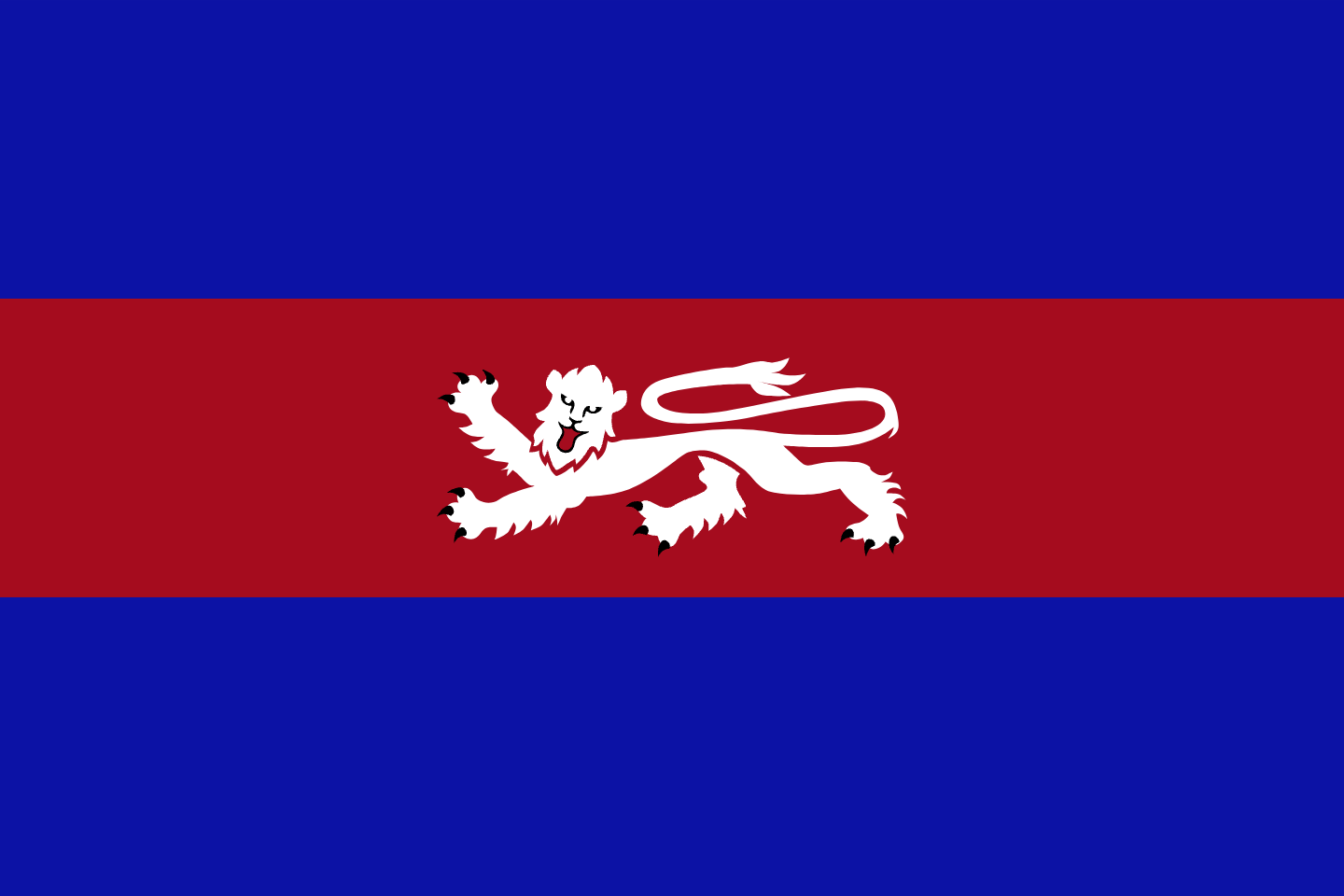
Formed after the Bergzov revolution, which stemmed from the Budget crisis of 1201 the state is ran by a provisional government but currently the government is unstable and the hungry eyes of those with grand ambitions gaze into the state. Its culture is that of Germany in our own timeline. Its main economy is based around the 3 guilds the lumber guild the grain guild and the iron guild. Its main faith is Mareism, which is a faith based around the Ocean goddess Marei who is claimed to have sacrificed herself to birth the land, but will return when her believers reach their grandest moment, where she will bestow upon the world an eternity of prosperity. Its military is rather unique, with both a standing army and several personal armies of nobles and a commoner militia led by the guilds
Grand hordes
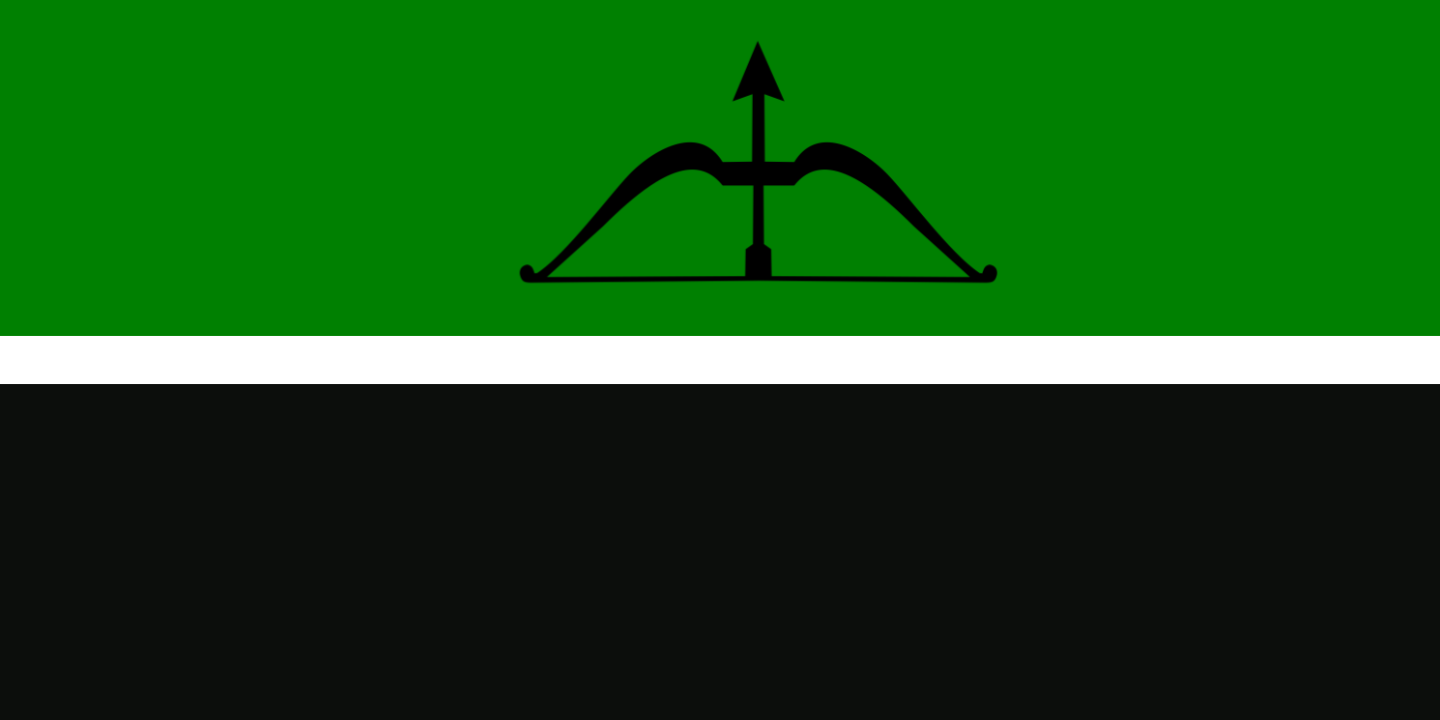
The grand hordes are a general exonym for several nomadic clans north of Bergzov who all stem from 5 original semi-mythical parent clans. They are loosely united by the leader (chiad saighead) they are almost exclusively nomadic except for their capital which is where the clan that currently holds the chiad saighead which is moderately urbanized and is where they turn the brown wool, which comes from their sheep is turned into some of the finest clothing of the world they are also known for being expert mercenaries and were crucial in many battles during wars in their region even being the king maker in the war of the oaths which put the last royal house of bergzov in power. Their culture is most comparable to scottish culture in our own timeline. They follow a faith based around ancestor worship as they believe that when a clan leader dies, they join the horde of the clan that they join the horde of their parent clan where they hunt and feast for eternity
The bētemek’idesi republic
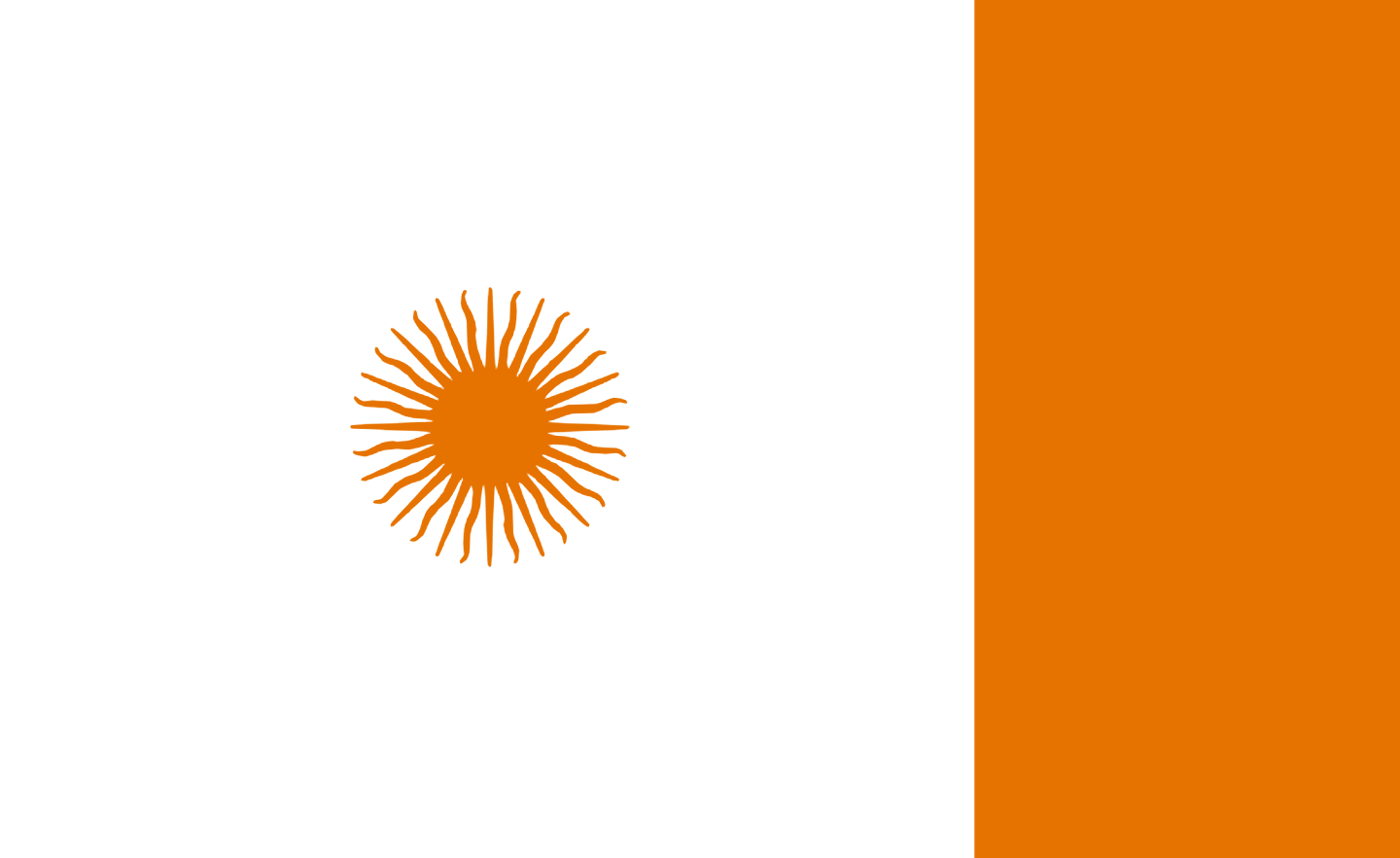
The bētemek’idesi republic is a merchant republic made up of 2 main cultures, the yebētemek’idesi wenidochi, who are mainly involved in religious matters and trade. They claim heritage from the yemejemerīya kahinati who themselves are the descendants of the 2 brother kings, yebētemek’idesi wenidochi the who founded the state religion known as bētemek’idesi. Originally were just the priestly caste until they built a ship that could go through the dark pass (a dangerous area in the ocean). They began trading goods from the nation they are closest in culture to Ethiopians in our own time. The other culture is the alrijal al'umara' they are mainly involved in civil matters and also run most of the farms and mines, both of which provide the 2 main exports of the republic, gold and saffron, which is then traded by the yebētemek’idesi wenidochi they descend from the jild alzaefaran who are claimed to have first grown saffron their culture is closest to arab culture, specifically Shami arabs. The 2 groups share almost equal power with the priests electing a holy councilor and the farm owners electing a worldly councilor the faith of the republic is known as yet͟s’eḥāyi ḫayili, which believes the sun provides safety and prosperity which leads to their most famous ritual where on the longest day of the year they host a large feast, and on the shortest day, they burn a bushel of rice a peck of saffron and the skins of 10 meat cows.
Confederation of Màitián
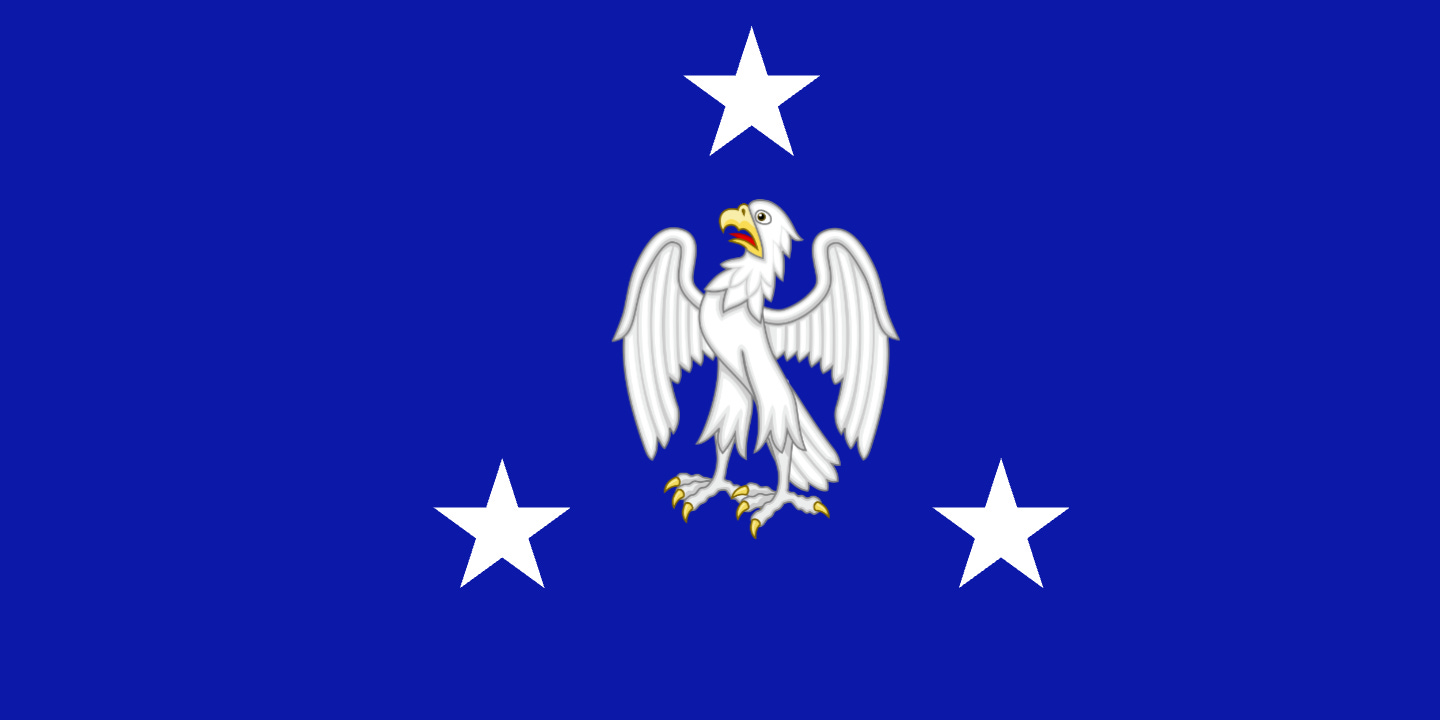
The confederation of Màitián is a loose confederation of 3 republics and one military-ruled zone. They are known for their high culture and are seen by some of their neighbors as weak bleeding hearts as most of the states dont have any militia and instead focus on the arts they mainly make there money through taxing traders and merchants passing through the Strait of Hēiyàoshí dēnglù but they do export literature philosophy, and some of the greatest artists and architects known to history. They don't have 1 common faith as the previous unifying faith grew obsolete after its high priest made several false prophecies and was deposed, leading to a revival of several local religions in many regions. The military-ruled zone known as the Marshallship of Hēiyàoshí dēnglù, which was originally just a military fort near the strait but eventually families of the soldiers and officers started to move in near the fort, which also brought laborers and merchants, building the area surrounding the fort into a city and eventually a full province but due to the original Law passed for the formation of the fort there it stated all land under its defense (which was around 10,431 sq miles) would be under the militaries command.
Republic of Ætheltun

The Republic of Ætheltun is a small state, only being made up of around 72,25 sq miles it is known for its large and well-trained military, which has a lot of control over the state apparatus, with a Màitián historian once saying that if the entire government of Ætheltun were to dissolve not much would change except for who put the seal on legislation. The state has practically no religion, and most citizens consider themselves deists. Their culture is most similar to England